
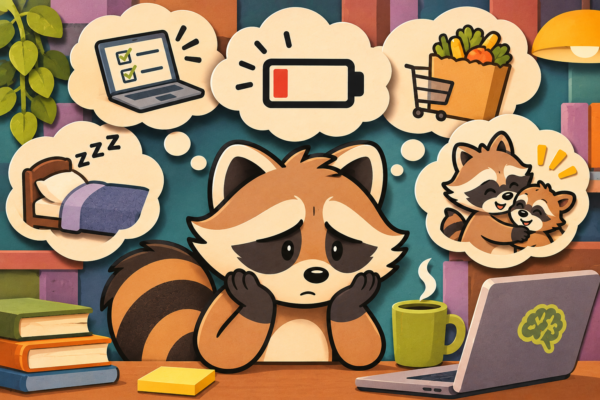
There are days when I finish a 12-hour shift at the hospital, get home, and feel like my brain has absolutely nothing left.
I’m fried. I’m cooked.
And the frustrating part? My day isn’t over.
I still have a family, responsibilities, and people who need my attention. But mentally, I feel completely checked out.
That’s what ADHD mental exhaustion can feel like. It’s not necessarily physical tiredness. It’s feeling mentally drained to the point where concentrating, following conversations, and managing your emotions become harder than they normally are.
And sometimes, I feel that way before my day has even started.
Can ADHD Really Make You That Exhausted?
Yes. ADHD can contribute to mental exhaustion, although it isn’t necessarily the only reason someone feels tired.
When people think about ADHD, they usually think about difficulty paying attention, getting distracted, or having too much energy.
But there’s another side to it.
The mental effort involved in getting through an ordinary day can be exhausting.
ADHD can affect executive functions, which help us manage attention, remember information, organize tasks, and switch between activities.
We rely on these skills constantly.
Think about how many times throughout the day you have to stop what you’re doing, redirect your attention, remember something, follow a conversation, or figure out what needs to happen next.
Now imagine having difficulty managing those things while still being expected to function normally.
Research has found that adults with ADHD can experience greater fatigue than adults without ADHD. That doesn’t mean everyone with ADHD is constantly exhausted, or that ADHD explains every instance of fatigue.
But mental exhaustion is a legitimate concern for some adults with ADHD.
And for me, it’s something I deal with regularly.
My Brain Doesn’t Clock Out When I Do
Working a 12-hour shift at a hospital can be mentally demanding.
By the time I get home, sometimes all I want is to be left alone.
Not because I’m upset with anyone.
I just don’t want to have to process anything else.
Following conversations becomes difficult. My patience gets shorter. Things that normally wouldn’t bother me can suddenly feel irritating.
And the problem is that I can’t just stop functioning.
I have a family.
I have a daughter I want to spend time with.
There are still things that need to get done.
So I push through it.
Most of the time, I’m able to recognize when I’m getting irritated and keep it under control.
But when I’m completely exhausted, that becomes harder.
Sometimes the irritation slips out.
That’s one of the frustrating things about mental exhaustion.
You can recognize what’s happening and still struggle to manage it.
I know when my patience is getting shorter. I know when I’m mentally drained.
But knowing that doesn’t automatically give me the energy to do something about it.
And it doesn’t make the responsibilities waiting for me disappear.
Even Doing Nothing Doesn’t Always Help
You would think the solution would be simple.
Get home. Relax. Do something enjoyable.
Problem solved.
Except it doesn’t always work that way.
Sometimes I want to play video games. Sometimes I want to watch television. Sometimes I want to spend time with my daughter.
But even when I’m doing something I enjoy, that mentally exhausted feeling can still be there.
And sitting around doing absolutely nothing doesn’t necessarily make it disappear either.
I’m not talking about being bored or needing something entertaining to do.
I’m talking about feeling like my brain has reached its limit.
The activity might change, but the exhaustion doesn’t automatically go away.
For me, sleep is one of the few things that actually helps.
And even that isn’t always straightforward.
Sometimes I’m Exhausted Before the Day Starts
There are mornings when I wake up tired and groggy.
Sometimes I know I haven’t gotten enough sleep.
Other times, my mind is already going a thousand miles an hour before I’ve even gotten out of bed.
And I’m thinking:
Damn, I haven’t even started my day.
That’s what makes this experience so frustrating.
I can feel mentally exhausted while my mind is incredibly active.
And it isn’t limited to workdays.
I can spend a day off running errands, taking care of responsibilities, or just doing the things that need to get done and end up feeling the same way.
Sometimes I overdo it.
Other times, the exhaustion is simply there.
There’s no guarantee that having a day off means my brain is going to feel rested.
Why ADHD and Sleep Problems Can Make Exhaustion Worse
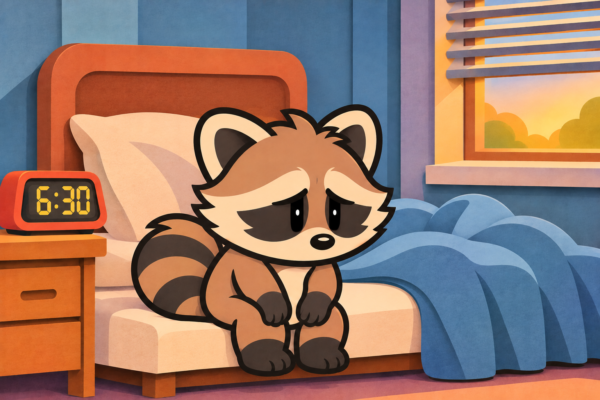
Sleep is an important part of this conversation because sleep difficulties are common among adults with ADHD.
Research has found that adults with ADHD experience more sleep-related problems than adults without ADHD.
Some people have difficulty falling asleep. Others struggle with inconsistent sleep schedules or getting enough sleep.
And insufficient sleep can affect concentration, memory, mood, and emotional regulation.
Those are already areas where ADHD can create difficulties.
So when sleep becomes another problem, managing everyday responsibilities can become even harder.
That doesn’t mean everyone with ADHD has a sleep disorder.
And it doesn’t mean waking up tired is automatically caused by ADHD.
But if you’re regularly waking up exhausted, sleep is worth examining rather than assuming it’s just another ADHD symptom.
For me, getting sleep helps more than simply sitting around trying to relax.
But I also know that waking up doesn’t always mean I feel mentally refreshed.
What Can You Actually Do About ADHD Mental Exhaustion?
I wish I could tell you I’ve figured this out.
I haven’t.
I still experience it, and I don’t have some magical routine that makes it disappear.
But I think there’s a difference between accepting that mental exhaustion happens and assuming there’s nothing you can do about it.
Here are a few things worth considering.
Give Your Brain Some Time Between Responsibilities
One of the situations I struggle with is going from a mentally demanding workday straight into everything that needs to happen at home.
If you experience something similar, it may be worth experimenting with a short transition period.
Maybe that’s sitting quietly for a few minutes before going inside, taking a short walk, or having some time without additional demands.
I’m not suggesting that 10 minutes of silence will magically undo 12 hours of mental effort.
But a short break may make it easier to move from one set of responsibilities into another.
And if you live with other people, it might help to explain what you need.
Not everyone can tell when you’re mentally exhausted, especially when you’re still managing to function.
Stop Adding Unnecessary Demands to an Already Exhausting Day
Something I’ve noticed is that days filled with errands and responsibilities can leave me feeling just as mentally exhausted as workdays.
Even when I’m technically off.
That’s worth paying attention to.
If you already know a particular day is going to be demanding, consider whether everything on your schedule actually needs to happen that day.
Could an errand wait?
Could you decide what you’re eating ahead of time?
Could you prepare something the night before instead of dealing with it when you’re already exhausted?
These aren’t strategies I’ve personally mastered.
They’re adjustments worth testing because reducing demands may help when you’re already mentally drained.
Figure Out What’s Actually Draining You
Not every exhausting day looks the same.
For me, long hospital shifts and days filled with errands are two situations where I notice it.
But your experience might be different.
Maybe it’s constant interruptions.
Maybe it’s spending hours around people.
Maybe it’s switching between tasks all day.
Or maybe you’re waking up exhausted regardless of what you did the day before.
Try noticing when the exhaustion is strongest and what happened beforehand.
You don’t need to turn this into another complicated task.
Even recognizing a few patterns may help you decide what to change or what to bring up with a healthcare professional.
Don’t Automatically Blame Everything on ADHD
This is important.
ADHD can contribute to mental exhaustion, but persistent fatigue can have other causes.
Poor sleep, sleep apnea, insomnia, depression, medication effects, and other medical conditions can affect your energy.
If you’re regularly exhausted despite getting enough sleep, or your fatigue is interfering with everyday life, it’s worth talking with a healthcare professional.
And if you take ADHD medication, don’t assume adjusting your dose will automatically fix the problem.
Medication can affect sleep and energy differently from person to person. That’s something to discuss with your prescriber.
Having ADHD doesn’t mean every problem we experience is necessarily caused by ADHD.
The Part I Still Struggle With
What frustrates me most about mental exhaustion isn’t simply being tired.
It’s having things I want to do and people I want to spend time with while feeling like I don’t have the mental energy for any of it.
And sometimes, even when I push through and do those things, I still feel completely fried.
I know sleep helps me.
I know certain days take more out of me than others.
But I haven’t figured out how to prevent that mentally exhausted feeling from showing up.
I’m still learning what makes it worse and what might help.
And that’s where I’m at with it.
I can recognize when my brain has had enough. I’m still figuring out what to do when the rest of my day hasn’t.