

First off, if you just got diagnosed with ADHD, congratulations. I’m happy for you. You’re starting to find answers for things you may have spent years blaming yourself for.
I remember how badly I wanted that answer. I’d spent years feeling like something was holding me back. I’d done the research. I thought I’d figured it out. But I needed a professional to tell me whether I was right…and, if I was, whether I could get help.
The first thing I wanted to do after getting diagnosed was tell my psychiatrist.
When I told her, she was happy for me. She has ADHD too, so she understood why this mattered. We talked about treatment, and she prescribed medication for me to try.
She explained possible side effects. I heard her, but at that point relief was almost all I could think about. If she’d told me a necklace made from a lava rock at Lake Titicaca would help, I might have tried that too.
I’m glad I got help. I also learned that a diagnosis doesn’t come with a button that fixes the last 42 years—or the next 42.
If you’ve just been diagnosed, you may have a hundred questions. Here’s what I wish I’d known while I was sorting through mine.
Start with the person helping you get care
My first step was telling a psychiatrist I already knew. Your next step might be different. Maybe the person who diagnosed you also treats ADHD. Maybe they gave you an evaluation report and told you to follow up with your regular doctor or find a specialist. Maybe you’re still deciding whether you want treatment.
You don’t need to work out the whole plan that day. A useful first question is: Who should I talk to about my options and follow-up?
Treatment can involve medication, therapy, or a combination, depending on your needs. If you try medication, ask your prescriber what to watch for, how to report side effects, and when to check back in. I was so eager to feel relief that I barely cared about that part of the conversation. Looking back, it deserved my attention too.
There isn’t one version of treatment that everyone has to choose. The National Institute of Mental Health explains the main options for adults, and the CDC describes the importance of follow-up as treatment changes.
I wrote separately about what my first day on ADHD medication felt like. That was my experience, not a preview of what yours will feel like.
The medication helped. I still needed the rest of my life.
After a couple of days, I realized something my psychiatrist had already warned me about: medication could help me, but it wasn’t going to solve everything.
I still needed therapy. I still had habits and ways of getting through the day that were helping me long before I knew to call them coping skills.
I kept things visible so I wouldn’t forget them. I put on lo-fi music when I needed to focus on work. I took notes. I used alarms. Sometimes I turned a task into a game just to get myself started.
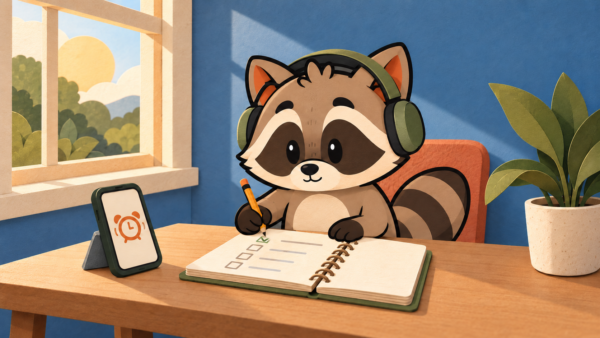
Getting diagnosed didn’t make those things silly or unnecessary. It helped me understand why I’d been reaching for them.
That might be worth noticing in your own life. Before you buy a new planner or decide you need to rebuild every routine, look at what you already do when things get difficult. Some of it may be working. Some may be exhausting. You can talk through both with the people helping you.
The feelings may take longer than the appointment
This was the part I wasn’t prepared for.
For a long time, I thought I was dumb. I thought some of what I struggled with was just trauma I should have gotten over. Having an ADHD diagnosis gave me another way to understand parts of my life, but it didn’t instantly remove the self-hatred I’d built up along the way.
I kept thinking: Why wasn’t I lucky enough to be diagnosed as a kid? How much time and effort would that have saved me? Who would I be now?
I don’t know the answers. I know I was angry and grieving years I can’t get back. I’m 42, and I still sometimes struggle to get things right. I’m less harsh with myself than I used to be, but that work didn’t end when I got a prescription.
I’ve also had to make room for something complicated: my parents did what they could with what they had. I don’t think they would have taken me for an ADHD evaluation, even knowing what I know now. I had to seek one for myself. I can understand their limitations and still wish I’d gotten help sooner.
If I could tell myself one thing on diagnosis day, it would be this: Be compassionate toward yourself when the emotions catch up. An answer can bring relief and bring up grief at the same time. If that’s happening to you, it’s worth talking about in therapy or with someone you trust. You don’t have to turn your entire past into a lesson by next Tuesday.
What would I actually do next?
I’d keep it small:
- Find out who handles your follow-up care. Ask what your options are and when to check back in, especially if you begin a new treatment.
- Write down what you notice. What feels easier? What still feels hard? What questions or side effects do you want to bring to your clinician? A few notes are enough.
- Keep the supports that already help. Visible reminders, alarms, music, notes, therapy, or whatever genuinely works in your life don’t become obsolete because you have a diagnosis.
- Give yourself time to feel what you feel. You’re allowed to be relieved and upset. You don’t have to decide what every memory means immediately.
That’s the version of “now what?” I needed. I wanted help right away, and I got some. Then I had to learn how to live with an answer that explained a lot without fixing everything overnight.
The diagnosis didn’t make me a different person. It gave me a better way to understand the person I’d been trying so hard to be.