
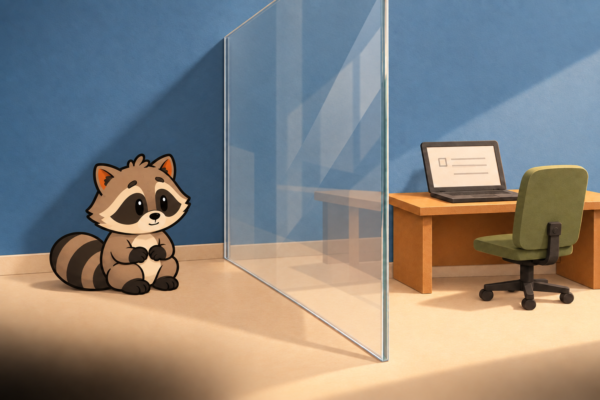
ADHD paralysis can feel impossible to explain.
You know what you need to do. You may even want to do it badly.
But somewhere between thinking about the task and actually starting it, everything stops.
That invisible wall has cost me hours of frustration, shame, and wondering why things that seem simple for everyone else can feel almost impossible for me.
Quick Answer
ADHD paralysis is a term people use to describe feeling unable to start, continue, or complete a task despite knowing what needs to be done.
It is not an official medical diagnosis. The experience is often associated with ADHD-related difficulties involving executive function, overwhelm, attention regulation, decision-making, and task initiation.
ADHD paralysis can look like staring at a computer screen for hours, avoiding a five-minute task for weeks, jumping between tasks without completing anything, or feeling so overwhelmed by everything you need to do that you end up doing nothing.
Key Takeaways
ADHD paralysis is not the same thing as simply not caring about a task.
Knowing what you need to do does not guarantee that you can easily initiate the action.
Overwhelm, executive dysfunction, competing stimulation, low-interest tasks, and too many decisions can make getting started harder.
Making the first step smaller and creating momentum can sometimes help.
Some days, the strategies still don’t work. That doesn’t make the experience less real.
What Is ADHD Paralysis?
ADHD paralysis is the feeling of being stuck between intention and action.
You know what needs to happen.
You may understand the consequences of not doing it.
You may desperately want to begin.
And yet…
Nothing happens.
That’s what makes ADHD paralysis so frustrating.
From the outside, it can look like procrastination, avoidance, or laziness.
From the inside, it can feel completely different.
You aren’t necessarily relaxing.
You aren’t enjoying yourself.
Sometimes you’re sitting there thinking about the task the entire time.
You’re stressed because you’re not doing it.
You’re angry at yourself because you’re not doing it.
And somehow, all that pressure makes starting even harder.
What ADHD Paralysis Feels Like
I don’t know how else to explain it, but it’s this frustrating, almost painful feeling of wanting to do something so badly…
…and having absolutely no idea how to start.
I’ll sit at my desk for hours.
Not procrastinating.
Not slacking.
Just…
Stuck.
It’s this overwhelming sense of not knowing where to begin, and it can feel so defeating that it starts spiraling into shame.
I start questioning everything.
My intelligence.
My capability.
My worth.
I feel dumb. Uneducated. Like I missed a memo that everyone else got.
And the worst part?
I know what I want to say.
I know what I’m trying to do.
But somewhere between the thought and the action, it all gets scrambled.
Like my brain is sending a clean message that has to pass through a filter of knives.
By the time it reaches my mouth, or my hands, it’s shredded.
So I repeat.
I restart.
I rephrase.
I overthink.
I try again.
What takes someone else 20 minutes might take me three hours—and that’s on a good day.
Especially when it’s a boring task.
A mundane one.
Something I have absolutely no interest in.
That’s when the wall goes up.
And I just can’t push through it.
It’s not laziness.
It’s not as simple as needing more willpower.
For me, this is what ADHD paralysis feels like.
And it’s exhausting.
Why Does ADHD Paralysis Happen?
There isn’t one single reason people with ADHD get stuck.
Several problems can pile on top of each other until starting feels harder than the task itself.
Executive Dysfunction
One of the strangest parts of ADHD is that knowing what you need to do and actually doing it can feel like two completely separate processes.
You understand the task.
You know it’s important.
You might even know exactly how to do it.
But initiating the action is where everything breaks down.
This is one reason advice like “just start” can be so frustrating.
Starting is the problem.
Too Many Decisions
Sometimes I’m not avoiding one task.
I’m trying to process 17 tasks simultaneously.
Where do I begin?
Which one is most important?
What if I choose the wrong one?
Should I finish the thing from yesterday first?
Wait.
Did I answer that email?
Suddenly, deciding what to do becomes another task.
And now I’m overwhelmed before I’ve even started.
Low Interest and Motivation
Give me something interesting and I can disappear into it for hours.
Give me a boring five-minute administrative task and apparently I need to prepare for battle.
That inconsistency is one of the hardest things to explain about ADHD.
The ability is there.
The reliable access to that ability isn’t always there.
Overwhelm and Emotional Pressure
The longer I avoid something, the bigger it becomes in my head.
Now I’m not just doing the task.
I’m doing the task while thinking about how long I’ve avoided it.
I’m thinking about the consequences.
I’m thinking about why I always do this.
I’m getting angry at myself.
The five-minute task has become a psychological event.
And somehow I’m supposed to “just get it done.”
ADHD Paralysis vs. Procrastination
ADHD paralysis and procrastination can overlap, but they aren’t always the same experience.
| Procrastination | ADHD Paralysis |
|---|---|
| You delay starting a task | You may feel unable to figure out how to begin |
| You may choose something more enjoyable instead | You may sit there doing nothing while feeling increasingly stressed |
| The deadline may eventually create enough motivation to act | Even urgency may not reliably break the feeling of being stuck |
| Avoidance may feel temporarily relieving | Being stuck can feel frustrating, exhausting, and shame-inducing |
This doesn’t mean everyone with ADHD experiences paralysis the same way.
It means that telling someone who feels stuck to “stop procrastinating” may completely misunderstand what they’re experiencing.
My Experience With ADHD Paralysis: This Isn’t Laziness…It’s a Dead Battery
The first step for me was always the same:
Get frustrated.
That was it.
That was my whole process for a long time.
I’d sit there, knowing what I needed to do, and the only action I could manage was being mad about it.
Then I started taking medication.
Slowly, things began to make more sense.
I was beginning to understand my patterns…
…and just like that, I’m typing this article that you’re reading .. and I lost my train of thought.
I had so much to type.
But the sound of the TV next to me obliterated it.
Gone.
You know what?
Screw it.
I’m just gonna type exactly what I’m feeling.
It’s frustrating.
But even acknowledging that I’m stuck makes ADHD feel more real to me.
It’s not that I’m stupid.
It’s not that I don’t care.
Sometimes, I can get everything out.
Other times, I can’t even begin.
AND I’M BACK.
How I Get Myself Moving When I’m Stuck
I want to be clear about something.
I have not discovered the secret cure for ADHD paralysis.
If I had, I probably wouldn’t be writing this article while surrounded by things I’ve been meaning to finish.
But I have learned a few things that sometimes help.
Make the First Step Embarrassingly Small
“Write the article” can feel impossible.
“Open the document” feels smaller.
“Clean the house” is overwhelming.
“Put one plate in the dishwasher” is something I can understand.
Sometimes the first step needs to be so small it almost feels ridiculous.
Good.
Make it ridiculous.
The goal isn’t to finish everything.
The goal is to create movement.
Create Movement Before Motivation
When I can’t start the thing I need to do, sometimes I start doing something else.
Play a song.
Vacuum the floor.
Rename a playlist.
Take the cup sitting next to me to the kitchen.
Not as a reward.
Not because I’ve given up on the original task.
But as a way to unstick the gears.
Sometimes doing something pointless reminds my brain:
I can still move.
And once I’m moving, changing direction can be easier than starting from zero.
Get the Task Out of Your Head
My brain is a terrible storage system.
If I’m trying to remember everything I need to do while simultaneously deciding where to start, I’ve already created another problem.
So I externalize it.
Write it down.
Put it on a whiteboard.
Create a checklist.
Leave the thing I need to deal with somewhere visible.
I don’t do this because I’m obsessed with productivity.
I do it because relying entirely on my working memory is a terrible business strategy.
Remove Competing Stimulation
Remember the television destroying my train of thought?
That wasn’t added to make the article more relatable.
That literally happened while I was writing the original version of this post.
Sometimes I need less happening around me.
Turn off the television.
Put my phone somewhere else.
Close the 36 browser tabs I opened because apparently every question I’ve ever had needs to be researched immediately.
Reducing distractions doesn’t automatically fix ADHD paralysis.
But sometimes it gives my brain fewer places to escape.
Stop Turning One Bad Day Into a Verdict About Yourself
This is probably the hardest one.
I lose hours to ADHD paralysis.
Then I lose more hours being angry about the hours I lost.
Excellent system.
Very efficient.
I’m trying to get better at recognizing when I’m stuck without immediately turning it into evidence that I’m lazy, incapable, or failing at life.
Because shame doesn’t finish the task.
It just gives me another problem to deal with.
A Quick Checklist for Getting Unstuck
When I notice that I’ve been sitting there thinking about a task instead of starting it, I try asking:
Can I make the first step smaller?
Am I trying to make too many decisions at once?
Can I write the steps down instead of holding them in my head?
Is something in my environment constantly stealing my attention?
Would doing one small physical task help me create momentum?
Am I exhausted and trying to force productivity out of a brain that has nothing left?
I don’t use this as another productivity system I can fail.
It’s just a way to figure out what might be keeping me stuck.
What If Nothing Works?
Sometimes?
It’s just not going to happen.
No trick.
No hack.
No magical five-step morning routine.
There are days when I can shrink the task, remove distractions, write everything down, put on the perfect music, and try every strategy I know.
And I’m still stuck.
I’m trying to learn that those days don’t need to become a full-scale trial about my character.
Sometimes the battery is dead.
Pretending it isn’t dead won’t charge it.
Resting when you need rest, changing your environment, asking for help, or returning to the task later isn’t always giving up.
Sometimes it’s the most realistic response available.
Frequently Asked Questions
Is ADHD paralysis a real medical diagnosis?
No. ADHD paralysis is not an official medical diagnosis or diagnostic criterion.
It’s an informal term people use to describe the experience of feeling unable to initiate, continue, or complete tasks despite intending to do them.
The experience may be associated with ADHD-related difficulties involving executive functioning, attention regulation, overwhelm, and task initiation.
What does ADHD paralysis feel like?
It can feel like knowing exactly what you need to do but being unable to translate that intention into action.
Some people describe staring at a task for long periods, repeatedly switching between tasks, feeling overwhelmed by where to begin, or becoming increasingly anxious and frustrated while accomplishing nothing.
Is ADHD paralysis the same as laziness?
No.
Laziness implies an unwillingness to exert effort.
Someone experiencing ADHD paralysis may desperately want to complete the task and experience significant stress, frustration, or consequences because they cannot reliably initiate or complete it.
How do you break out of ADHD paralysis?
No single strategy works for everyone.
Strategies that may help include making the first step extremely small, reducing the number of decisions required, externalizing tasks through lists and reminders, reducing environmental distractions, using timers, creating accountability, and addressing sleep or exhaustion.
If difficulties with task initiation significantly interfere with your daily life, work, relationships, or responsibilities, consider discussing them with a qualified healthcare professional.
Can ADHD medication help with task paralysis?
ADHD medication can improve core ADHD symptoms for many people, but individual responses vary.
Medication is not a guaranteed solution to every difficulty with motivation, task initiation, or executive functioning.
Treatment for ADHD may involve medication, behavioral strategies, psychotherapy, environmental modifications, skills training, or a combination of approaches.
Final Thoughts
ADHD paralysis is difficult to explain to someone who has never experienced it.
How do you explain that you want to do something…
That you know you need to do it…
That you’re stressed because you aren’t doing it…
And somehow you still can’t start?
For a long time, I thought the answer was simple.
Try harder.
Be more disciplined.
Stop being lazy.
I don’t believe that anymore.
I’m learning to pay attention to the wall.
What made it go up?
Can I make the task smaller?
Can I remove some friction?
Do I need movement?
Do I need less stimulation?
Do I need help?
Or is today one of those days when the battery is simply dead?
I’m still learning.
I still get stuck.
I still lose time.
I still get frustrated.
But I’m getting better at not turning every difficult day into proof that there’s something fundamentally wrong with me.
And if anyone calls that lazy?
They can go read a productivity blog written by people who get paid to write bullet journals.
So… yeah.
Tell me again how I just need to try harder.